

Fly Fishing Kiribati’s 33 Islands
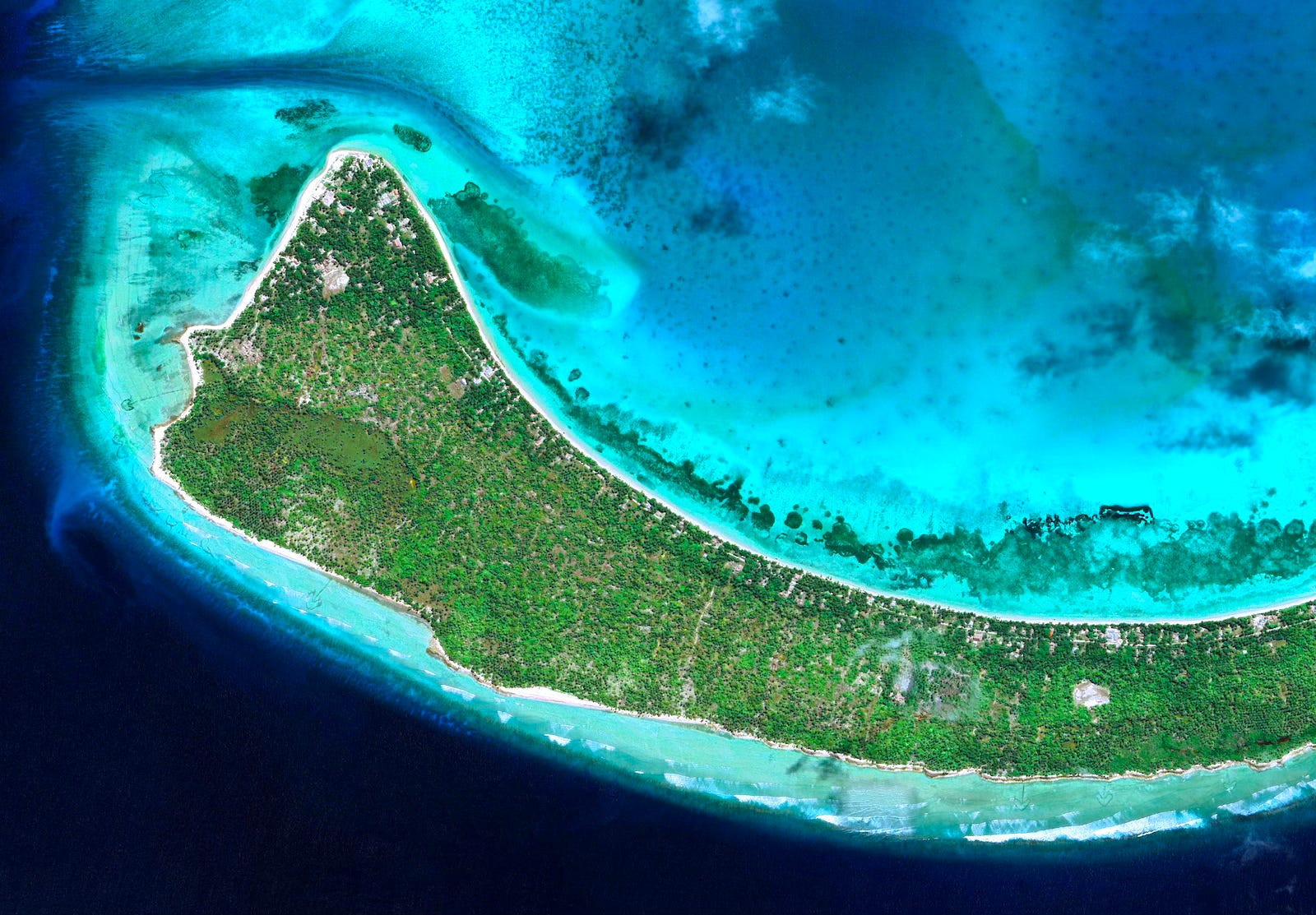
Where should bonefish and giant trevally anglers explore after Christmas Island?
Mention Kiribati (pronounced ‘ki-ree-bass’) to a saltwater fly angler and one destination immediately comes to mind: Kiritimati, better known as Christmas Island or simply CXI after its airport code.
That reputation has been earned over several decades. Kiritimati offers immense hard-sand flats, bonefish, giant trevally, triggerfish and a guiding industry built around them.
But Kiritimati is only one of Kiribati’s 33 islands.
The Republic of Kiribati comprises 32 coral islands and atolls, plus the raised limestone island of Banaba. They are scattered across the Gilbert, Phoenix and Line island groups, covering an extraordinary expanse of the equatorial Pacific.
Some contain enormous tidal lagoons. Others have narrow channels, shallow sandbars, reef platforms or steep ocean drop-offs. A handful support established fly-fishing operations. Many have probably never seen a bonefish fly.
So where else should an adventurous exploration angler look?
This article is not intended to be a scientific ranking, and it would be misleading to score islands that have received little or no recreational fishing attention. Instead, we have placed them into broad bands according to known fishing, lagoon geography, tidal exchange, likely habitat, fishing pressure, accessibility and the practical possibility of supporting visiting anglers.
That all matters. An island can look spectacular on satellite imagery but still have soft mud rather than firm sand, insufficient tidal exchange, no safe boat access or nowhere appropriate to house visiting anglers. Conversely, an unremarkable-looking channel can funnel bait and predatory fish through one very productive and accessible piece of water.
And in the case of Washington Island, a tidal lagoon can close off, progressively move from saline to freshwater and still house trevally and milk fish!
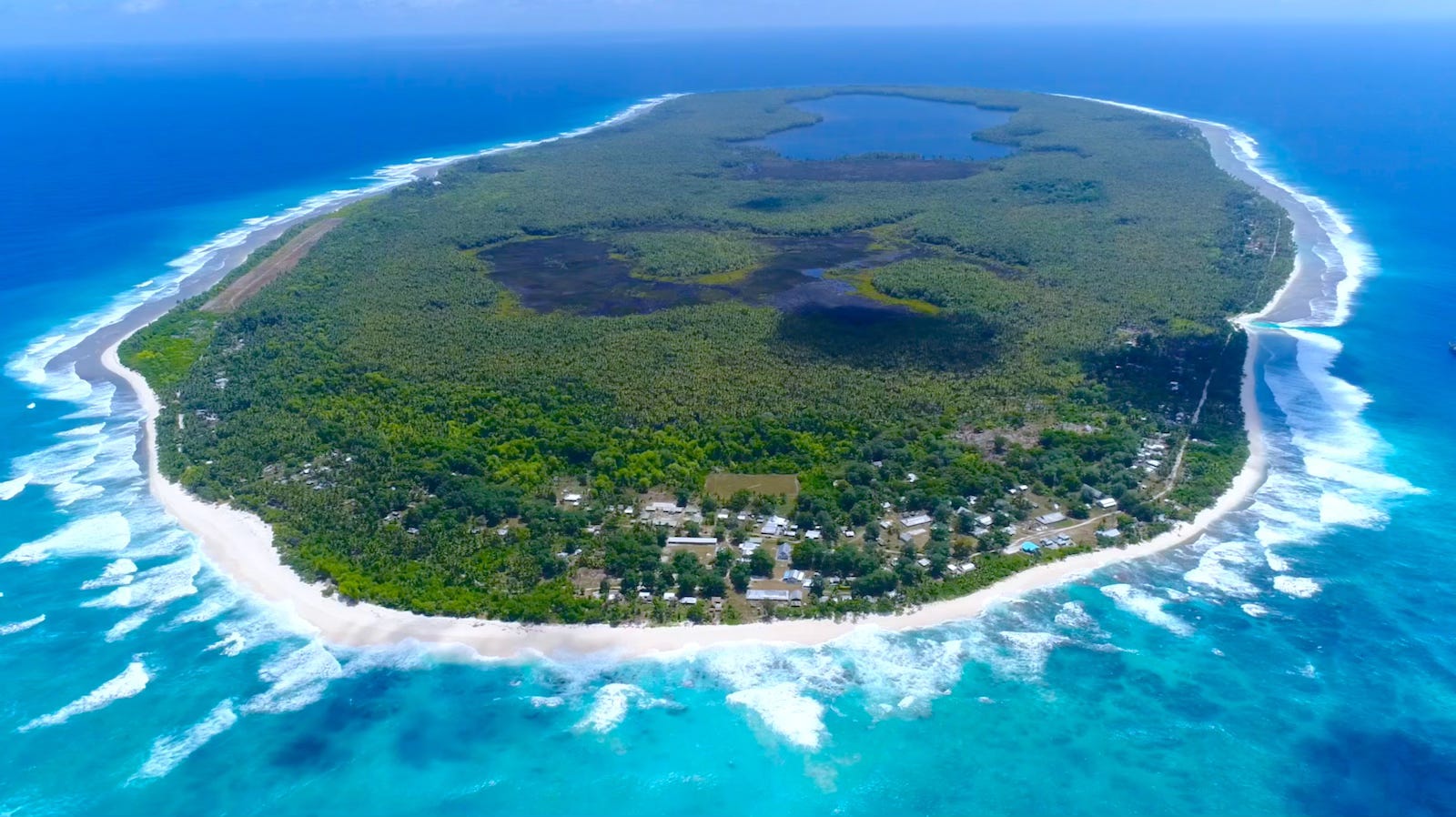
THE ESTABLISHED AND EMERGING FLY-FISHING DESTINATIONS
In this section, we explore the known option of Kiritimati (CXI), emergence of Tabuaeran (Fanning) and the potential of Kanton Island.
Kiritimati (Christmas Island)
Kiritimati remains the benchmark against which every other Kiribati fly fishery is measured. But benchmark cannot be confused with pristine anymore.
The island is the world’s largest coral atoll by land area and contains an extraordinary variety of flats, lagoons, channels, ocean reefs and blue water. Bonefish are the foundation of its recreational fishery, but visiting anglers can also target giant, bluefin and golden trevally, triggerfish, milkfish and occasionally a bumphead parrotfish.
What separates Kiritimati from the rest of Kiribati is its infrastructure. It has an international airport, specialist fishing lodges, dedicated boats and generations of local guides who understand its tides and fish movements.
It also has sustained fishing pressure. Some experienced anglers and repeat visitors report lower catch rates, smaller average fish or fewer opportunities in areas that once fished more consistently. For a proportion of anglers, one trip to Christmas Island has been enough; they are now looking for less pressured alternatives, such as Fanning Island, rather than automatically returning for the traditional week on CXI.
These observations are not entirely new. A 2006 Kiritimati fisheries report recorded complaints from visiting anglers and guides about declining average weekly catches. Earlier research also identified long-term concerns about catch rates, average fish size and the condition of spawning migration routes.
Fishing is central to life on Kiritimati. The Pacific Community reported in 2025 that approximately 95% of households were involved in fishing, predominantly for household consumption or local sale. Frustratingly, gillnets remain widely used and can catch bonefish incidentally even where the species is not being deliberately targeted.
Kiritimati has regulations prohibiting the catching, killing and sale of bonefish without an appropriate tourist fishing permit. Kiribati also has national restrictions around the full-moon spawning period. Enforcement, unintended gillnet capture and the competing needs of tourism and food security nevertheless remain difficult issues.
The picture is not one of simple collapse. A 2025 Pacific Community assessment examined 339 bonefish collected during 2023 and concluded that the stock was in relatively good condition. Its estimated spawning-potential ratio was 0.63, and only about 23% of sampled fish were below the estimated size at maturity. The report still recommended continued monitoring, better assessment of incidental catch and closer involvement of local fishing communities in management decisions.
On the flip side, research on Kiritimati’s reefs has found extremely high fishing effort and sharply reduced fish biomass near its principal villages compared with remote parts of the same island. That pressure is not distributed evenly: isolated reefs can remain comparatively healthy while heavily used or more easily accessible areas show substantial decline.
Offshore industrial fishing adds another layer of trepidation. Large fishing vessels are now frequently visible around Kiribati (we were told of a record 18 counted from the air recently, all sitting off the main port area), and anglers, residents and local fishermen understandably question what effect industrial extraction is having on the wider marine ecosystem.
Those vessels principally target oceanic tuna rather than bonefish or reef-dwelling GTs. A direct causal link between vessels seen offshore and declining flats fishing on Kiritimati has not yet been demonstrated. However, industrial fishing and by-catch can affect pelagic abundance, local tuna availability and the broader food web. Its scale also sits uncomfortably beside the much smaller catches of local fishermen.
Of further longterm ecological concern is the proposed massive port development that appears to be nearing construction.
Despite all of that gloom, there are encouraging signs of greater attention to the recreational fishery. In 2025, Kiribati Fisheries, visiting researchers and Kiritimati guides conducted workshops on bonefish handling, monitoring and management. The program also considered new management measures for giant trevally, guide-assisted enforcement, night surveillance and the possible use of drones against illegal fishing.
The new Phoenix and Line Islands Guides Association have a solid footprint on Christmas Island and are galvanizing their resources to encourage ground roots efforts to drive sustainability.
If you’re looking to book a week on Christmas Island, we recommend contacting Isolation Outfitters who can advise on availability, recommend a lodge based on your requirements, provide hosted trip dates, and advise on guides, flights and what to pack.
Kiritimati remains a remarkable fishery, especially with an experienced guide who understands where fish move across changing tides. It can be fished throughout the year, although tides, moon phases, wind and target species should influence the dates chosen. We cover those considerations in When to fish Christmas Island.
When to fish Christmas Island

Timing your fly fishing for bonefish & giant trevally on Christmas Island
Tabuaeran (Fanning Island)
If Kiritimati is the established industry centre, Tabuaeran is the obvious, more remote, next step.
Fanning Island has a large lagoon, meaningful ocean passages and extensive firm sand suited to sight fishing. Bonefish numbers can be less concentrated than on Kiritimati, but their average size is often impressive. Giant and bluefin trevally patrol the flats, channels and shallow reef structures, while triggerfish, golden trevally, wrasse and bumphead parrotfish broaden the target list.
Tabuaeran also has an interesting place in communications history. Its position in the central Pacific made it an important station on the trans-Pacific telegraph cable route during the early twentieth century.
The modern angling operation remains deliberately small. Accommodation, such as at Fanning Island Lodge, is rustic, flights operate from Kiritimati and boats transport anglers into the lagoon before they continue on foot. Recent improvements have included solar power, modern engines, toilets, showers and satellite internet.
Rather than repeating all the details here, our complete guide covers fly fishing on Fanning Island, including fishing, accommodation, tackle and flight logistics. If you’re planning to visit Fanning Island, check the full and new moon dates through to 2028 before locking in your week.
Fanning Island

Is Fanning Island the ultimate remote bonefishing adventure destination? Let’s discuss.
Kanton Island (Canton)
Kanton, also known as Canton or Abariringa, is the emerging expedition destination of the Phoenix Islands.
The island’s English name commemorates the American whaling ship Canton, which was wrecked on the outer reef in 1854. The name was formally applied to the atoll in 1872. In the Kiribati language, which has no letter C, Canton is spelt Kanton. Kiribati legislation recognizes Kanton, Canton and Abariringa as names for the island.
It is the only inhabited island in the Phoenix group and the only one with a usable airfield. Its large lagoon is connected to the ocean through a deep western passage, creating the combination of flats, channels, reef edges and tidal movement that immediately interests serious GT anglers.
Early exploratory fishing indicates a truly exceptional giant trevally fishery alongside bonefish and other reef species. The experience is very different from staying in a lodge on Kiritimati. Accommodation is basic, aircraft must be chartered and almost every component, from fuel and food to licensing and runway inspections, must be arranged for each expedition.
Kanton has an extraordinary aviation history. Pan American Airways used its lagoon during the flying-boat era, and the island later served as a trans-Pacific aviation and military station under joint British and American control. Its old airfield is now central to plans for renewed access. Kiribati’s development plan includes proposals to rehabilitate Kanton’s runway and eventually enable jet operations.
Kanton lies inside the Phoenix Islands Protected Area (PIPA), so access and fishing require explicit permits and close cooperation with the island’s residents and Kiribati authorities.
Boutique fly fishing outfitter, No Slack Loops, is coordinating sanctioned Kanton expeditions together with local residents and Kiribati authorities, including the complicated requirements surrounding charter aircraft, accommodation, permits, aviation fuel and on-island support.
We rated Kanton in our recent 2026 article on the world’s best fly-fishing destinations.
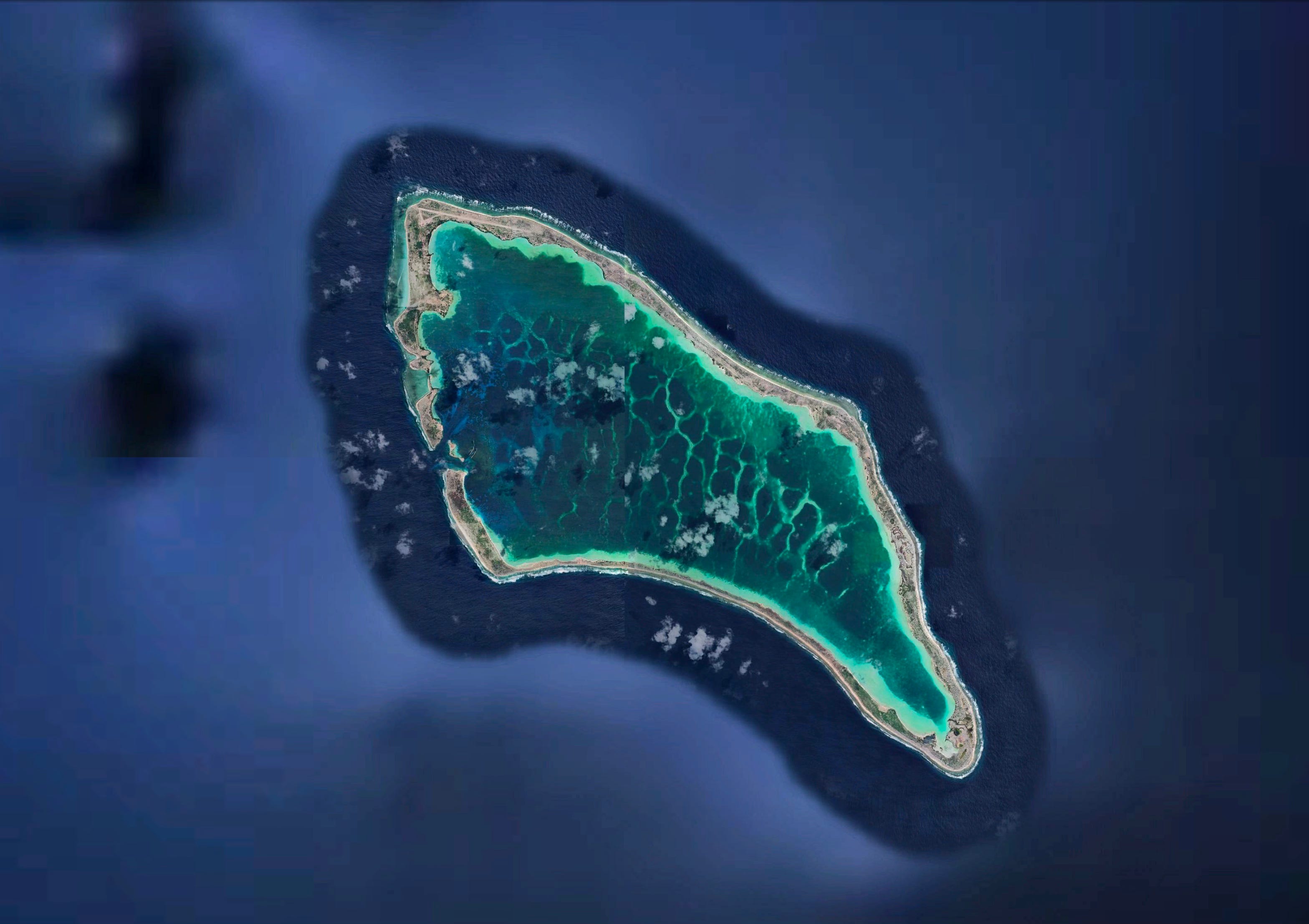
THE LEADING EXPLORATORY PROSPECTS
Nonouti
Nonouti Island may be the most compelling unexplored bonefishing prospect in the Gilbert Islands.
Its lagoon covers approximately 140 square miles (355 square kilometers) and is broken by numerous tidal channels. That creates a vast amount of shallow habitat, along with multiple possible routes for bait and predators moving between the lagoon and ocean.
The Pacific Community previously worked with Kiribati Fisheries and the Nonouti Island Council on managing the lagoon fishery, including the potential development of bonefishing as a tourism activity.
Nonouti is inhabited and has a domestic airstrip, but visiting anglers should expect basic local accommodation and substantial advance planning, until the Nonouti Island Lodge opens in 2027 with trips in partnership with outfitter, No Slack Loops.
For bonefish, Nonouti belongs near the top of Kiribati’s exploratory list. Its numerous channels and long outer reef also give it strong potential for giant trevally. The scale of the lagoon means a single week would barely begin to reveal this atoll’s longterm recreational potential.
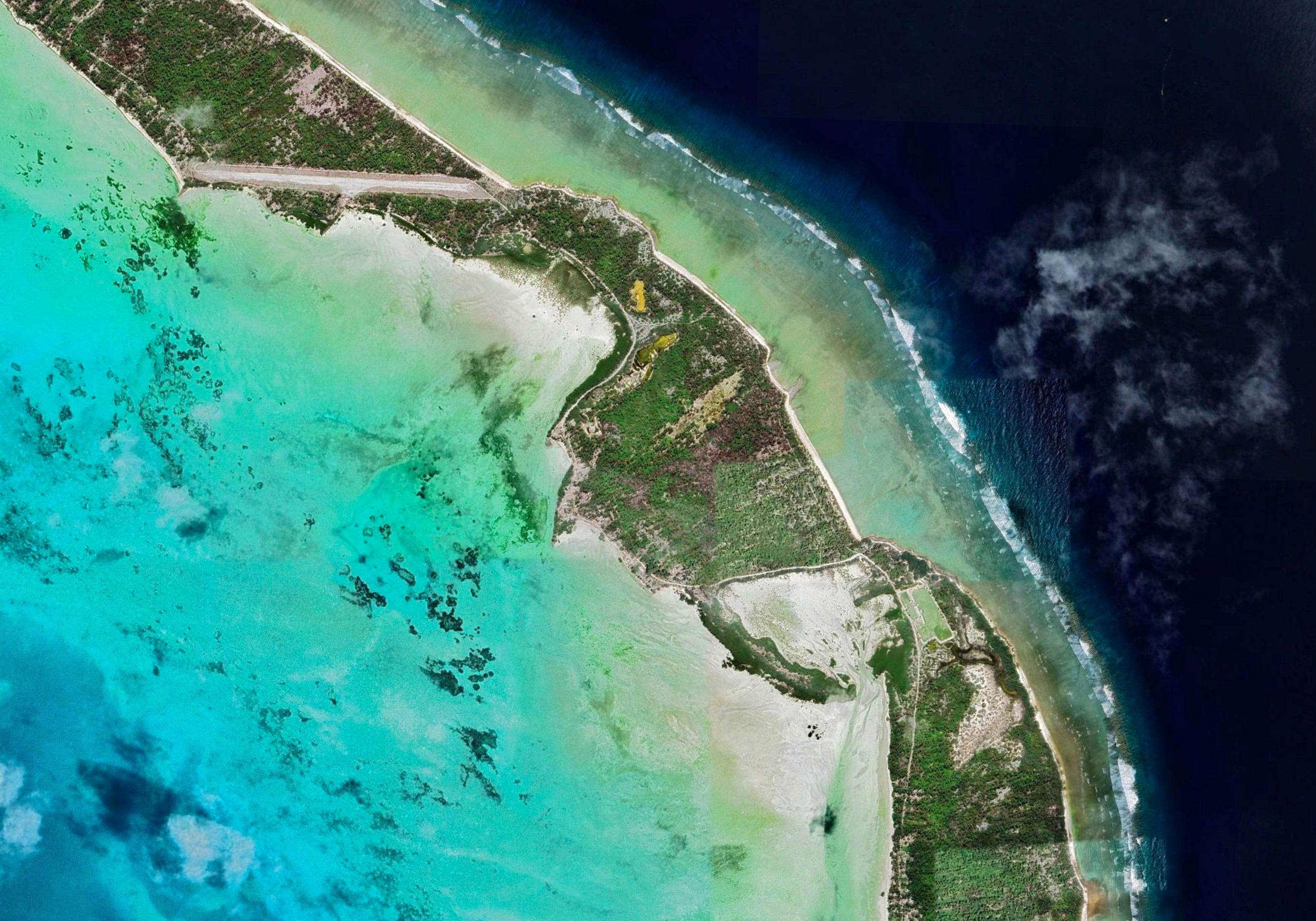
Maiana
Maiana sits immediately south of Tarawa and contains a shallow lagoon of approximately 30 square miles (77 sq km).
Unlike many speculative Kiribati destinations, Maiana has a documented bonefish population. Local bylaws have prohibited destructive splash fishing, protected spawning areas and restricted particular netting practices. Government reporting indicates that bonefish numbers improved after these measures were introduced.
That creates an interesting opportunity: a locally managed bonefish resource that might produce greater community value through carefully controlled catch-and-release tourism.
Maiana is close to Tarawa and served by domestic aircraft, but its lagoon is shallow and difficult to navigate. Numerous shoals and an absence of comprehensive modern hydrographic information mean that local boatmen would be indispensable.
Its bonefish potential is among the strongest in the Gilbert Islands. The GT question is less certain, although its lagoon entrance and outer reef justify investigation.
Abaiang
Abaiang lies immediately north of Tarawa and surrounds a lagoon of approximately 95 sq miles (245 sq km). Numerous islets, sandbars and tidal connections create a varied environment with obvious exploratory appeal.
Bonefish are an established component of the local subsistence fishery. That confirms their presence, although it also means descriptions of ‘completely untouched or un-pressured schools’ are unlike to prove correct.
Practically, Abaiang is a good first reconnaissance destination in the outer Gilberts. It is reached by a short scheduled Air Kiribati flight from Tarawa, while Terau Beach Bungalow provides established beachfront accommodation, meals and access to local boats. We’ll be here with fly rods in 2027 and will report back.
The lagoon’s multiple channels provide potential GT ambush points, but their productivity still needs to be demonstrated. Abaiang’s principal advantage is access and accommodation, putting it high on the list for this exploration.
Butaritari
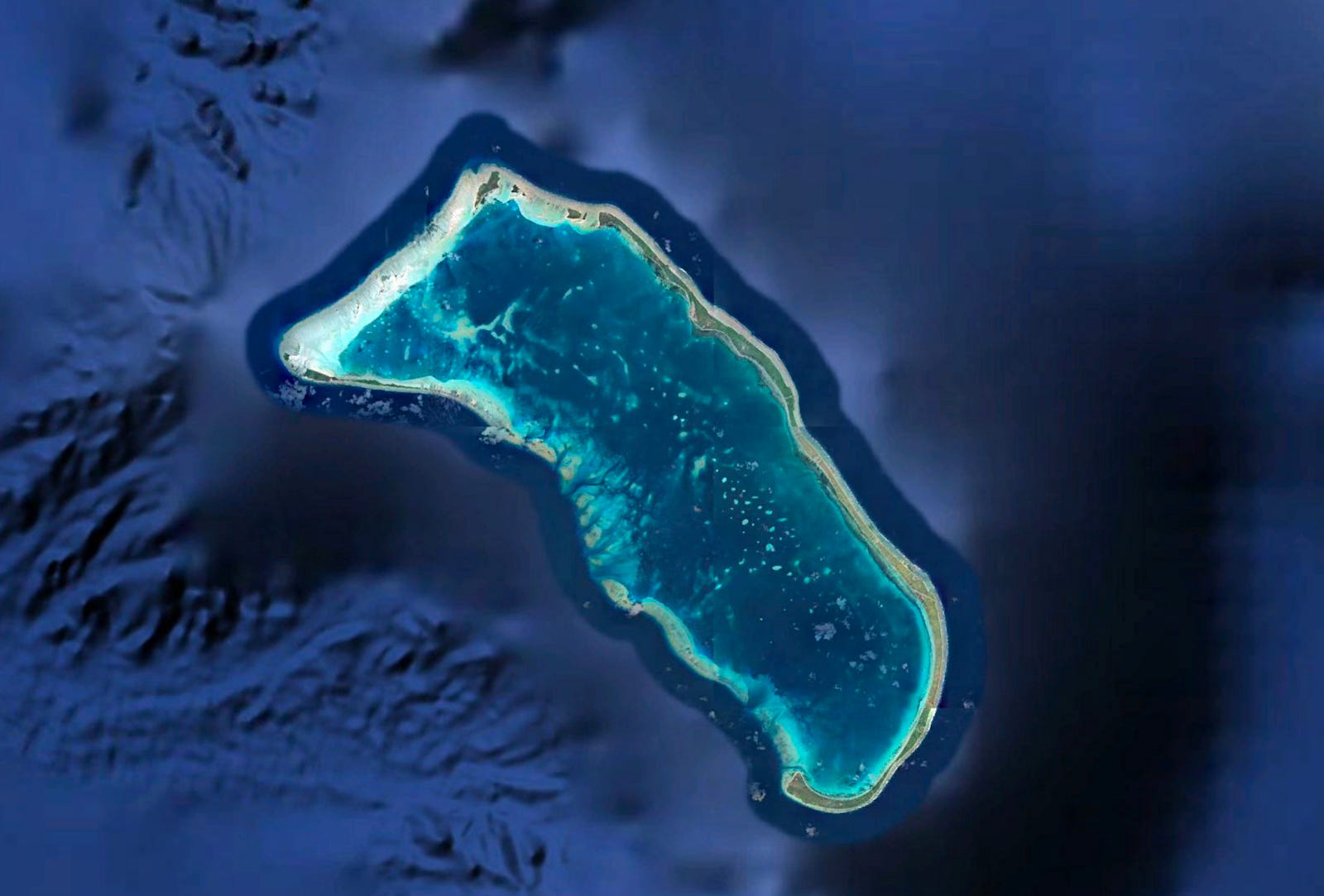
Butaritari is an interesting all-round prospect in northern Kiribati.
It has a big lagoon and eight recorded passages or channels. It is also wetter and more heavily vegetated than the arid southern Gilberts, with greater rainfall contributing to a productive island and marine environment.
The combination of a large lagoon, strong ocean connectivity and outer reef access makes Butaritari attractive for bonefish, GTs, bluefin trevally and offshore species. What remains unproven is whether it contains extensive firm, clear flats suitable for consistent sight fishing.
Butaritari also carries one of Kiribati’s most frequently misunderstood pieces of wartime history. The 1942 Makin Raid and 1943 Battle of Makin largely occurred on Butaritari, which American forces commonly called Makin Atoll. The modern island called Makin lies farther north. Bunkers, aircraft remains and other relics survive around Butaritari.
Infrastructure is better than on many outer islands. A 2025 tourism survey recorded three operating properties – Atinibwaan Iesu Parish Bungalows, Isles Sunset Lodge and Nemat Resort – with other accommodation undergoing repair.
Tabiteuea
Tabiteuea is not an island that will be understood in one visit. Its lagoon covers approximately 124 sq miles (320 sq km), its reef perimeter approaches 125 miles (200 km) and it contains dozens of islets. Administratively, the atoll is divided into Tabiteuea North and Tabiteuea South, each with its own domestic airstrip.
Its name is commonly interpreted as “chiefs are forbidden,” reflecting the island’s traditionally egalitarian political culture. The island’s communities maintain a long history of lagoon fishing, family fish traps and locally managed marine resources.
From an angling perspective, the immense area is both the attraction and the problem. Somewhere within that network of lagoon edges, islands and passages there should be interesting bonefish and trevally water. Finding it will require boats, fuel, good local knowledge and potentially several reconnaissance trips.
Tabiteuea has the physical scale to become a major exploratory fishery, but it is a more complicated proposition than compact Aranuka or accessible Abaiang.
Onotoa
Onotoa is a smaller southern Gilbert atoll with a lagoon half the size of Tabiteuea, and with several enticing connections to the Pacific Ocean.
Its manageable scale makes it appealing. An exploratory group could examine a meaningful proportion of its lagoon, channels and reef margins without spending half the week traveling between distant sectors. Anyone keen to go?
There is little reliable recreational fishing information, so its bonefish potential remains a habitat-based assessment. Multiple channels also make it interesting for GTs, particularly where current concentrates bait along the lagoon margins.
Onotoa has a domestic airstrip and an established resident community, but accommodation and boat arrangements would need to be coordinated locally.
Aranuka
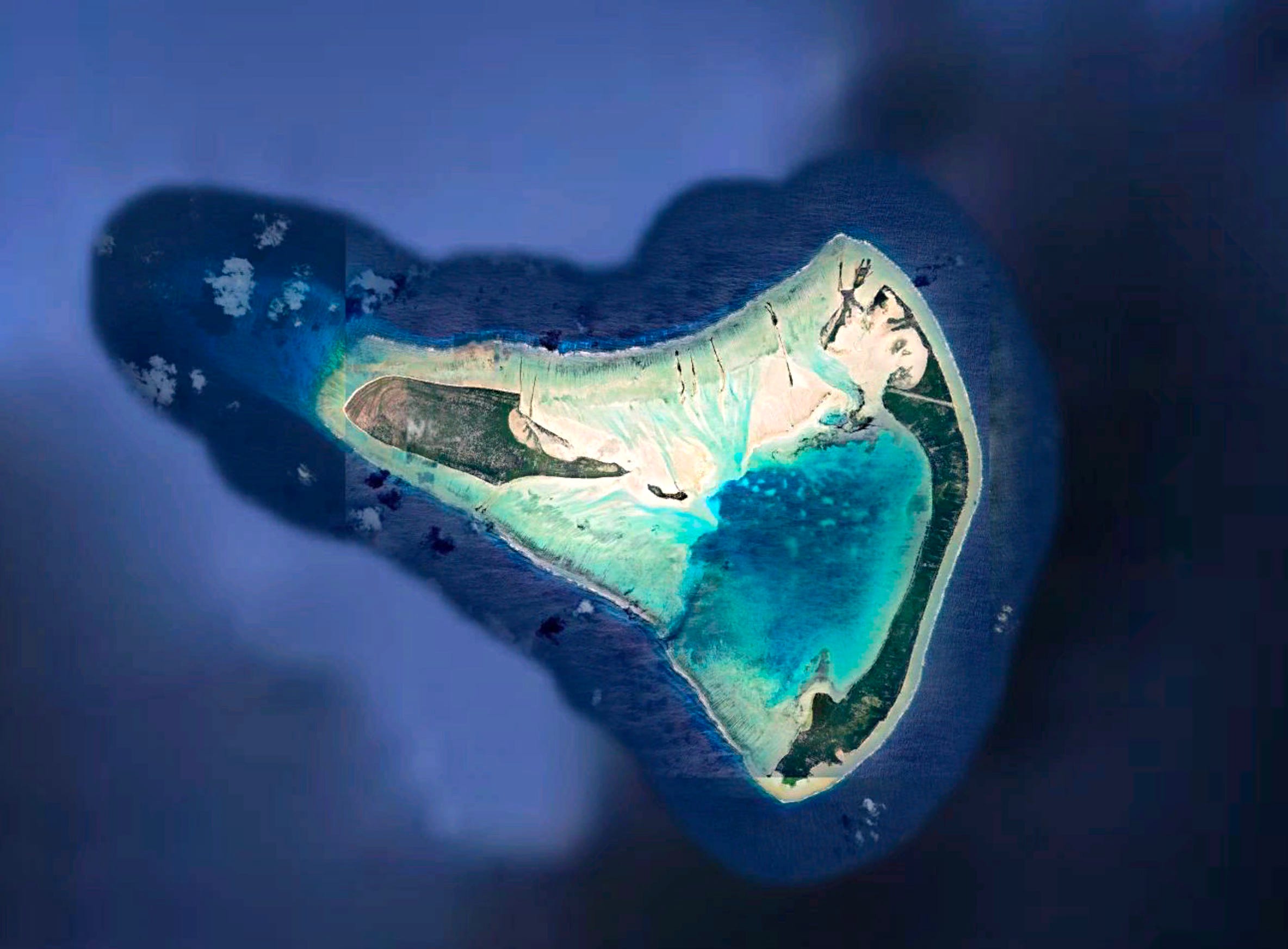
Aranuka is a compact triangular atoll with two principal islands, numerous smaller islets and a small lagoon of approximately 8 square miles (20 sq kms).
Its smaller size may be an advantage. An exploratory group could assess most major habitat types within one trip: lagoon shorelines, sandbars, the main ocean connection, reef flats and outer drop-offs.
Aranuka was historically associated with the chiefly influence centered on Abemama, along with neighboring Kuria. Today it remains a quiet inhabited island served by domestic aircraft.
There is little verified information about its bonefish or GT populations. Nevertheless, its geometry and manageable scale make it an appealing reconnaissance prospect rather than a destination we can yet describe confidently.
INTRIGUING, BUT WITH MORE QUESTIONS
Tarawa
Tarawa has one of Kiribati’s largest lagoons, so it cannot be dismissed on geography alone, but as the business and population hub of Kiribati, it has tremendous local fishing pressure.
North Tarawa still contains channels, less-developed shorelines and shallow areas worthy of reconnaissance. South Tarawa, however, supports more than half of Kiribati’s national population. Development, pollution and extensive causeway construction have altered parts of the atoll.
Conventional GT and pelagic fishing already operate from Tarawa, and the outer reef and main lagoon entrance can be productive. The specialist bonefish opportunity is less obvious. Any serious exploration should concentrate on North Tarawa and the outer lagoon rather than the densely populated southern causeway.
Tarawa is also one of the Pacific’s most consequential World War II sites. The 1943 battle lasted only 76 hours but resulted in thousands of deaths. Guns, bunkers, landing vehicles and other remains can still be seen around Betio and on the reef.
Tarawa’s principal angling advantage is infrastructure: international access, hotels, fuel, supplies and locally operated offshore charters. Its disadvantage is that it is no longer the pristine lagoon.
Abemama
Abemama looks extremely attractive on paper. Its lagoon covers approximately 60 sq miles (150 sq kms), with two recorded ocean connections and extensive shallow margins.
It is also rich in history. King Binoka, one of the best-known nineteenth-century Gilbertese rulers, controlled Abemama and neighboring islands. Robert Louis Stevenson visited him during his Pacific travels in 1889.
Unfortunately, Abemama provides an important warning about judging fisheries from afar and relying on satellite images. A Kiribati exploratory fly-fishing assessment reported heavy netting pressure, scarce bonefish and no schools observed during aerial drone reconnaissance.
That does not mean the bonefishing isn’t there, or that the passes and outer reef lack GTs. For us though, it does move Abemama below Maiana, Abaiang and Nonouti until new evidence changes our view.
Marakei
Marakei is an inhabited ring atoll enclosing a small lagoon of approximately 16 sq. kms, but without a major open passage.
A restricted lagoon can still support bonefish, although limited water exchange reduces its appeal for traveling GTs. The outer reef may be the more interesting target, particularly for bluefin and giant trevally.
Marakei has a domestic airstrip and a council guesthouse overlooking the ocean. That makes a small reconnaissance possible for a dedicated flats expedition.
Beru
Beru has a tiny lagoon of approximately seven square kilometers and no major ocean pass. Causeway development has also affected lagoon circulation, while parts of the lagoon are subject to local protection and fishing restrictions.
There may be bonefish inside and GTs along the outer reef, but the available habitat does not match the sweeping descriptions sometimes generated from maps.
Note: Beru should only be investigated following community consultation and with a clear understanding of protected areas and permitted access.
Kuria
Kuria consists of two principal islands separated by a narrow channel. Its lagoon-like water covers only about one square kilometre and has no significant ocean passage.
That makes Kuria a low-priority bonefish prospect. Its channel and outer reef may still hold trevally, but this would be a reef and shoreline exploration rather than a classic flats week.
Makin
Modern Makin is a small northern atoll with a tiny, substantially enclosed lagoon. It should not be confused with the American wartime use of “Makin Atoll” for neighbouring Butaritari.
Makin is inhabited and served by flights operating through the northern Gilbert route. Its outer reef could produce trevally, but it lacks the lagoon scale and tidal connectivity that elevate Butaritari.
For specialist flats anglers, it belongs well below its larger neighbour.
Teraina (Washington Island)
Teraina is a wild card. It is not a conventional tidal atoll fishery. Its interior is dominated by a freshwater lake, created as rainfall gradually diluted an older marine lagoon. Local accounts and historical fisheries surveys indicate that milkfish live in the lake, while reports of giant trevally create an exciting exploratory proposition.
How many GTs remain, how large they grow, whether they feed predictably and whether they can be targeted effectively with a fly remain unanswered questions. That is precisely what makes Teraina fascinating. We’re booked to head here with No Slack Loops and plenty of bug spray in 2027.
The island is inhabited and has an airstrip, and regular air access from Kiritimati (although the actual flight schedule is less reliable than published). Accommodation involves local housing and expedition-style camps.
Washington Island may never become a conventional bonefish destination. As a one-off expedition for freshwater GTs and milkfish, however, it may be unique.
REEF ISLANDS RATHER THAN FLATS DESTINATIONS
Nikunau
Nikunau is a long, narrow reef island without a true lagoon.
Its fly-fishing potential lies along reef edges, surge channels and ocean-facing platforms rather than sheltered bonefish flats. GTs and bluefin trevally are plausible targets, but fishing could be physically demanding and highly dependent on swell.
Nikunau does have an airstrip and limited accommodation. A 2025 tourism survey recorded two operating island bungalows, demonstrating that a small visiting group could be housed even though the fishery remains unknown.
Tamana
Tamana is one of Kiribati’s smallest inhabited islands and has no lagoon.
There may be reef-edge opportunities for trevally, but the absence of protected flats, limited boating infrastructure and exposure to ocean swell make it a poor candidate for a dedicated bonefish expedition.
It would be better approached as a cultural outer-island visit with exploratory reef fishing attached.
Arorae
Arorae is Kiribati’s southernmost island. Like Tamana, it is a narrow reef island without a lagoon.
Its ancient navigation stones are among its best-known cultural features, traditionally associated with teaching voyagers how to set courses for distant islands. Frigate-bird taming and distinctive dances also remain part of Arorae’s cultural identity.
A recent Tourism Authority survey found two operating guesthouses providing nine rooms, which is more infrastructure than many anglers might expect.
The outer reef may hold GTs, but Arorae has little to recommend it as a bonefish destination.
Banaba
Banaba is unlike every other island in Kiribati.
It is a raised limestone ocean island rather than a low coral atoll and has no lagoon. Its steep reef and deep surrounding water may support GTs and pelagic species, but there are no expansive flats.
Banaba’s history is difficult to separate from its landscape. Phosphate mining began in 1900 and continued until 1979, removing or damaging much of the island’s surface. Most Banabans were relocated to Rabi Island in Fiji after World War II, although a small community remains on Banaba.
Kiribati’s development plan proposes construction of a new airport on Banaba, but it has not yet been built. Access remains maritime and difficult.
Banaba is historically important and potentially interesting for reef fishing, but it sits near the bottom of the bonefish list.
THE PROTECTED PHOENIX FRONTIER
Beyond Kanton, every Phoenix island is uninhabited. They lie inside the Phoenix Islands Protected Area, a UNESCO World Heritage property with strict controls over access and extractive activity.
Current visitor guidance requires permits for visiting, vessels, aircraft, diving and fishing. Historical PIPA zoning treated the seven islands outside Kanton as non-extractive zones. The wider management system is being reconsidered through marine spatial planning, but that should not be interpreted as permission to fish. There are a few boutique expedition outfitters looking at some of the Phoenix group of islands currently.
Orona and Nikumaroro
Orona is the most geographically interesting Phoenix island after Kanton. It has a lagoon of approximately 26 square kilometres and the group’s second-largest reef system.
Nikumaroro, famous for its connection to theories surrounding Amelia Earhart’s disappearance, has a much smaller, restricted lagoon.
Both look seductive from the air. Scientific surveys, however, describe their lagoons as predominantly soft and silty, with restricted connections to the ocean. They may contain fish, but they should not be imagined as firm, white-sand bonefish flats. We are aware of one operator looking to explore these two atolls but unless you want to spend a month aboard a boat charter, fishing Kanton might be a better option.
Enderbury, Rawaki, Manra, Birnie and McKean
The remaining Phoenix islands offer even less conventional flats habitat.
Enderbury has only a very small enclosed lagoon. Manra contains an enclosed saline or brackish interior lagoon. Rawaki, Birnie and McKean are small reef islands without meaningful tidal lagoons.
Their outer reefs almost certainly support trevally and other predators, but ecological richness does not make a location an appropriate fishing destination. These islands are internationally important seabird, turtle and marine habitats, lack airstrips and can only be reached by a major vessel-based expedition.
It’s our uneducated view that they belong in the category of places to protect rather than destinations to promote.
THE UNINHABITED LINE ISLANDS
Kiribati’s three inhabited Line Islands – Kiritimati, Tabuaeran and Teraina – are covered above. The remaining five are remote, uninhabited and environmentally sensitive.
Caroline (Millennium Island)
Caroline is the most intriguing of the southern Line Islands.
It consists of dozens of islets surrounding a clear lagoon and has been described as one of the least-disturbed tropical islands in the world. Its location near the International Date Line brought it global attention during the first-sunrise celebrations of the year 2000, prompting the name Millennium Island.
The lagoon is substantially enclosed, with no dependable deep-water entrance. The island has no airstrip, harbour, permanent settlement or accommodation. Its reefs and wildlife are protected, and reaching it requires an ocean-going vessel.
Caroline may be visually spectacular, but it is not presently a realistic angling destination, due to the breadth of other more compelling options.
Malden
Malden contains a sizable interior lagoon, but it is enclosed and saline rather than a conventional tidal lagoon.
The island has ancient Polynesian archaeological remains and was used as a base during Britain’s atmospheric nuclear tests in the region during the 1950s. It later became a wildlife sanctuary.
Its outer reef might be extraordinary, but access and conservation restrictions place it outside normal recreational fishing consideration.
Starbuck
Novelly named, Starbuck is a low, dangerous reef island with shallow hyper-saline ponds and a history littered with shipwrecks.
It has no useful open lagoon, no safe harbor and no infrastructure. It is also a protected wildlife area.
Flint and Vostok
Flint and Vostok are small fringing-reef islands without lagoons.
Vostok is particularly distinctive for its dense stand of Pisonia forest, while both islands support important seabird habitat. Neither provides the protected shallow-water system generally required for a destination bonefish fishery.
There may be GTs around their reefs, as there are around countless Pacific islands, but we reckon that alone cannot justify the cost and environmental impact of reaching them.
KIRIBATI’S NEXT GREAT FISHERY?
Kiritimati remains the country’s benchmark, but it is a mature and pressured fishery. Tabuaeran (Fanning) offers the strongest established alternative, while Kanton is developing into an extraordinary expedition fishery for anglers prepared to accept serious logistical complexity.
Among the less-explored Gilbert Islands, Nonouti, Maiana, Abaiang and Butaritari form the most compelling leading group.
Nonouti has scale, channels and previous interest in bonefish tourism. Maiana has the strongest documented conservation-led bonefish story. Abaiang combines confirmed bonefish with excellent access and accommodation. Butaritari offers perhaps the most interesting combination of lagoon, ocean passages, reef and existing tourism infrastructure.
Immediately behind them, Tabiteuea, Onotoa and Aranuka have enough suitable geography to warrant proper reconnaissance. Tabiteuea offers immense potential but equally immense logistical demands. Onotoa and Aranuka are smaller and potentially easier to understand.
Tarawa and Abemama have impressive lagoons but face greater fishing pressure or documented concerns. Teraina (Washington Island) belongs in a category of its own because its freshwater GT and milkfish possibilities are more unusual than conventionally proven.
Marakei, Beru, Kuria and Makin are secondary prospects with restricted lagoons or limited tidal exchange. Nikunau, Tamana, Arorae and Banaba are better regarded as outer-reef destinations than bonefish locations.
The uninhabited Phoenix and southern Line islands may possess remarkable marine biomass, but most are protected, inaccessible and unsuitable for commercial angling. Their mystery should not be confused with availability.
WHAT WE CONSIDERED
A large lagoon does not automatically produce good flats fishing. Substrate matters. Firm sand allows anglers to wade and see fish; soft silt, algae or deep seagrass can make an otherwise beautiful lagoon almost unfishable.
Ocean exchange matters too. Multiple passages and tidal channels generally improve the chances of encountering travelling GTs, but only on-site observation will show which channels carry bait and which become too shallow, muddy or turbulent.
Bonefish are also an important food fish throughout Kiribati. An island described as “unpressured” may simply be unpressured by fly anglers while supporting substantial net, trap and subsistence fishing. Visiting anglers must work with Island Councils, communities, unimwane, fishermen and national authorities before treating any water as a recreational resource.
An airstrip does not guarantee a reliable flight. Kiribati manages a network of outer-island airfields, many with compacted coral surfaces vulnerable to weather and maintenance interruptions. Published schedules can change, aircraft payloads are limited and spare parts may be several islands away.
Accommodation also requires realistic expectations. Outer-island stays normally mean simple guesthouses (or more likely traditional buia) rather than conventional hotels. Power, refrigeration, communications and running water vary considerably. Availability should always be reconfirmed before flights are booked.
Finally, local knowledge is not an optional extra. It is the difference between looking at an attractive lagoon and understanding how it actually works.
THE LAST WORD
Kiribati does not necessarily contain another inter-generational fishery like Kiritimati. It may contain something equally interesting but entirely different.
Perhaps it will be Nonouti’s immense network of channels, Maiana’s locally protected bonefish, the passages of Butaritari or an overlooked corner of Tabiteuea. Perhaps Teraina will prove that giant trevally can thrive – and be caught on fly – in a freshwater island lake!
Some of these islands will disappoint. Others may contain fisheries of international significance. That uncertainty is the point for exploration anglers.
The next great Kiribati fly-fishing destination will not be discovered from a lodge brochure or satellite image alone. It will be found by travelling with local people, listening to their knowledge, learning the tides and putting experienced anglers on the water.
No Slack Loops has begun investigating Abaiang, Maiana, Butaritari, Nonouti, Tabiteuea, Onotoa, Aranuka, Teraina and is already taking 2027 bookings for Kanton. To our knowledge, no other specialist fly-fishing operator is undertaking such a broad, progressive coordinated investigation of Kiribati’s remote atolls and reef islands.
Anglers interested in joining one of these exploratory groups can register their interest directly with No Slack Loops.
Somewhere among Kiribati’s 33 islands, there remains an enormous amount of water left to explore.
Further reading:
The World’s 12 Best Fly Fishing Destinations

In 2025 we put together a tongue-in-cheek list of the world’s ten best fly fishing destinations. A year later, we've done it again.
The next world record Giant Trevally could come from Kanton Island. The island is so difficult to legally access, and even with a permit, it's really tough to align charter flights, Customs approvals, and other trip logistics. We've finally build a replicable system but not without tremendous help from the island community, others in Kiribati, and helpful Kiribati government officials.
As SW fly anglers – we are fortunate that tasty dogtooth tuna are so plentiful and easily accessible on the atoll's reef edge – that the local community choose not to catch and consume the geets!